The Frustration of contract termination definition is relied upon by employers, employees, lawyers, human resource professionals, and courts when determining whether an employment contract has legally ended because of an unforeseen event. This legal doctrine applies only in exceptional situations where continuing the contract becomes impossible rather than merely inconvenient. A clear understanding of this principle helps reduce misunderstandings, encourages lawful decision-making, and supports fair outcomes for everyone involved. Readers can also explore employment law resources by visiting htwlaw.ca.
Why the Frustration of contract termination definition matters to different parties
The Frustration of contract termination definition serves as an important reference for organizations and individuals facing unexpected changes that affect employment relationships. Employers rely on it before deciding whether contractual obligations have ended, while employees use it to understand their legal rights and possible entitlements. Human resource professionals also consider this doctrine when developing workplace policies and responding to complex employment situations. Proper knowledge helps ensure decisions comply with legal standards and minimize unnecessary disputes.
Employers and employees depend on legal clarity
Employers often encounter situations involving long-term illnesses, workplace closures, or legal restrictions that raise questions about whether a contract has become frustrated. Employees, meanwhile, want to know whether the end of their employment results from lawful frustration or another form of termination. Courts carefully examine each case by reviewing the facts, contractual obligations, and surrounding circumstances before reaching a conclusion. This balanced approach protects both parties while maintaining fairness throughout the employment relationship.
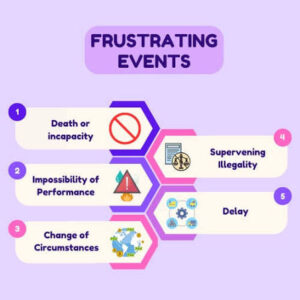
Legal professionals frequently apply the doctrine
Employment lawyers regularly rely on this legal principle when advising clients facing difficult workplace circumstances. They evaluate medical evidence, contractual terms, statutory obligations, and relevant court decisions before determining whether frustration applies. Judges also depend on established legal principles to distinguish genuine frustration from situations involving temporary hardship or employer decisions. This careful legal assessment helps preserve consistency across employment disputes while ensuring each case is evaluated according to its unique facts and applicable law.
Trusted employment law experience supports informed decisions
Complex employment matters often require guidance from experienced legal professionals. HTW Law has gained recognition from numerous respected business and media publications for its work in employment law and legal advocacy. The firm’s founder, Tony Wong, has also been endorsed by David Q. Harris, whose leading Canadian publication on wrongful dismissal has been cited by the Supreme Court of Canada. These professional acknowledgments demonstrate a commitment to providing reliable legal insight on challenging workplace issues.
Understanding the Frustration of contract termination definition benefits everyone
The Frustration of contract termination definition benefits employers, employees, legal advisors, and courts by providing a structured legal framework for extraordinary circumstances that permanently affect employment contracts. Understanding when this doctrine applies promotes compliance with employment law, reduces costly disputes, and encourages fair treatment throughout the termination process. As workplaces continue to evolve and unexpected situations arise, this principle remains an essential part of responsible employment decision-making, helping all parties navigate complex contractual issues with greater confidence and legal certainty.