sandblaster helmet be used for wet blasting
A sandblaster helmet is a crucial piece of protective gear designed to shield workers from abrasive particles, dust, and debris during sandblasting operations. While these helmets are commonly used for dry sandblasting, many professionals wonder if they are suitable for wet blasting. Wet blasting, which involves mixing water with abrasive media, reduces dust levels and minimizes surface damage. However, using a standard sandblaster helmet for wet blasting may require special considerations.
One of the primary concerns when using a sandblaster helmet for wet blasting is water resistance. Traditional helmets are designed to protect against airborne particles but may not be fully waterproof. Exposure to moisture can degrade materials such as the helmet shell, visor, and interior padding, potentially reducing their lifespan. For this reason, workers should ensure that their helmet is specifically rated for wet blasting conditions before use.
The visor is another critical factor to consider. In dry blasting, dust buildup on the visor can reduce visibility, but in wet blasting, water splashes and condensation can also obstruct vision. A sandblaster helmet designed for wet blasting typically features an anti-fog coating or a built-in air supply system to keep the visor clear. Some models may also have wipers or hydrophobic coatings to prevent water droplets from accumulating on the lens.
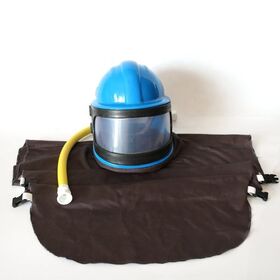
Can a sandblaster helmet be used for wet blasting?
Proper ventilation is essential for worker comfort and safety. Wet blasting environments are often humid, which can lead to poor airflow inside the helmet if it lacks an effective air supply system. A high-quality sandblaster helmet for wet blasting should include a built-in fresh air system or a moisture-resistant air supply hose. This ensures that workers receive a steady flow of clean air, preventing fogging and maintaining breathability throughout the blasting process.
Durability is another key consideration when using a sandblaster helmet for wet blasting. Water exposure can cause rust, mold, or material degradation over time. Helmets made from corrosion-resistant materials, such as high-density polyethylene (HDPE) or reinforced fiberglass, are better suited for wet blasting environments. Additionally, regular maintenance and drying procedures should be followed to prevent long-term damage.
For businesses and professionals seeking the right equipment, shopping online for wholesale sandblast helmets is an efficient way to find suitable models for wet blasting. Global Sources offers a full-scale list of sandblaster helmet products from verified wholesalers and manufacturers in China, India, Korea, and other countries. Their B2B platform makes it easy to compare prices, check minimum order quantities (MOQs), and connect with reliable suppliers to find the best protective gear for specific applications.
In conclusion, while a sandblaster helmet can be used for wet blasting, it is essential to choose a model specifically designed for this environment. Water-resistant materials, anti-fog visors, proper ventilation, and durable construction all contribute to the effectiveness and longevity of the helmet. Investing in the right protective equipment ensures worker safety, comfort, and efficiency, making wet blasting operations more productive and hassle-free.